
The evolution of gambling a journey through time and culture
Ancient Beginnings of Gambling
The origins of gambling can be traced back thousands of years to ancient civilizations. Archaeological evidence suggests that as early as 3000 BC, people in Mesopotamia engaged in games of chance using dice made from animal bones. These early forms of gambling were often intertwined with religious rituals and served as a means to predict the future or seek divine favor. Today, you can explore various options online, including sites like https://casinomalina-au.com/, which continue this tradition in a modern context.
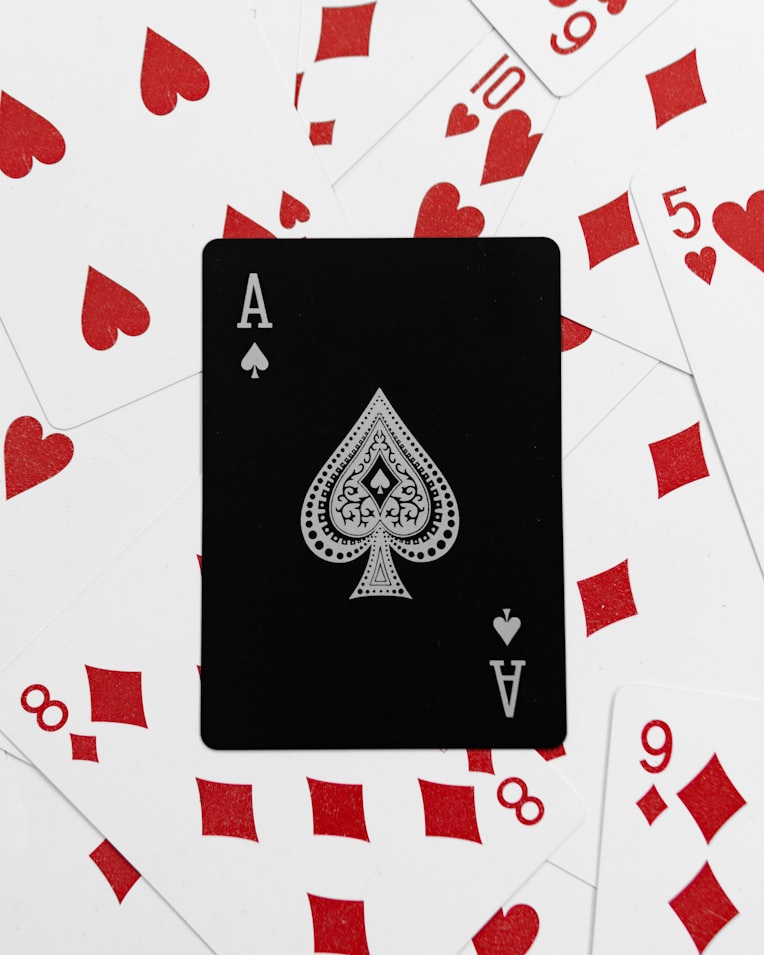
In ancient China, around 2000 BC, gambling began to take on a more structured form with the introduction of games involving tiles. The Chinese lottery, known as “Keno,” emerged during this period, allowing people to wager on various outcomes. As cultures evolved, so did the complexity of gambling, leading to organized games and betting systems that reflected societal norms and values.
Gambling in the Classical World
The influence of gambling became more pronounced during the classical period with the emergence of civilizations such as Greece and Rome. In these societies, gambling was not merely a pastime but an integral aspect of social life. The Greeks engaged in various games, including dice and betting on athletic competitions, while Romans popularized betting on chariot races and gladiatorial contests.
These activities were often accompanied by strict regulations, demonstrating the dual nature of gambling as both entertainment and a potential source of societal concern. The moral implications of gambling were debated among philosophers, with some viewing it as a vice while others acknowledged its role in community bonding.
The Medieval Era and Gambling Regulation
The Middle Ages saw a significant transformation in the landscape of gambling. As societies became more organized, regulations were established to govern gambling activities. In Europe, kings and queens issued decrees to control gambling, often banning it outright due to its perceived negative impacts on morality and social order.
Despite these restrictions, gambling persisted in various forms, evolving into more structured games like cards and dice. The development of playing cards in the 14th century marked a significant milestone, leading to the creation of games that are still played today, such as poker and blackjack. This era laid the groundwork for modern gambling practices.
The Rise of Casinos and Modern Gambling
The 17th and 18th centuries marked the rise of formal gambling establishments known as casinos, particularly in Europe. The first official casino, the Casino di Venezia, opened its doors in Italy in 1638, setting a precedent for future establishments. These venues offered various games, attracting the wealthy and the adventurous alike.
With the expansion of gambling into America in the 19th century, the landscape transformed dramatically. The Gold Rush fueled a gambling boom, leading to the establishment of casinos in places like Nevada. The advent of the 20th century brought about further innovations, including the introduction of slot machines and electronic gaming, revolutionizing how people engaged with gambling.
Responsible Gaming and the Future of Gambling
As gambling evolved, so did the awareness of its potential negative impacts, particularly concerning gambling addiction. Today, many organizations advocate for responsible gaming practices, emphasizing the importance of awareness and education. Initiatives aimed at promoting healthy gambling behaviors are becoming increasingly vital as online gaming continues to rise in popularity.
Platforms like Malina Casino are committed to creating a safe gaming environment that prioritizes player welfare. With features designed to promote responsible gambling, players are encouraged to enjoy the thrill of gaming while understanding the risks involved. The future of gambling lies not only in innovation but also in fostering a culture of responsibility and awareness.